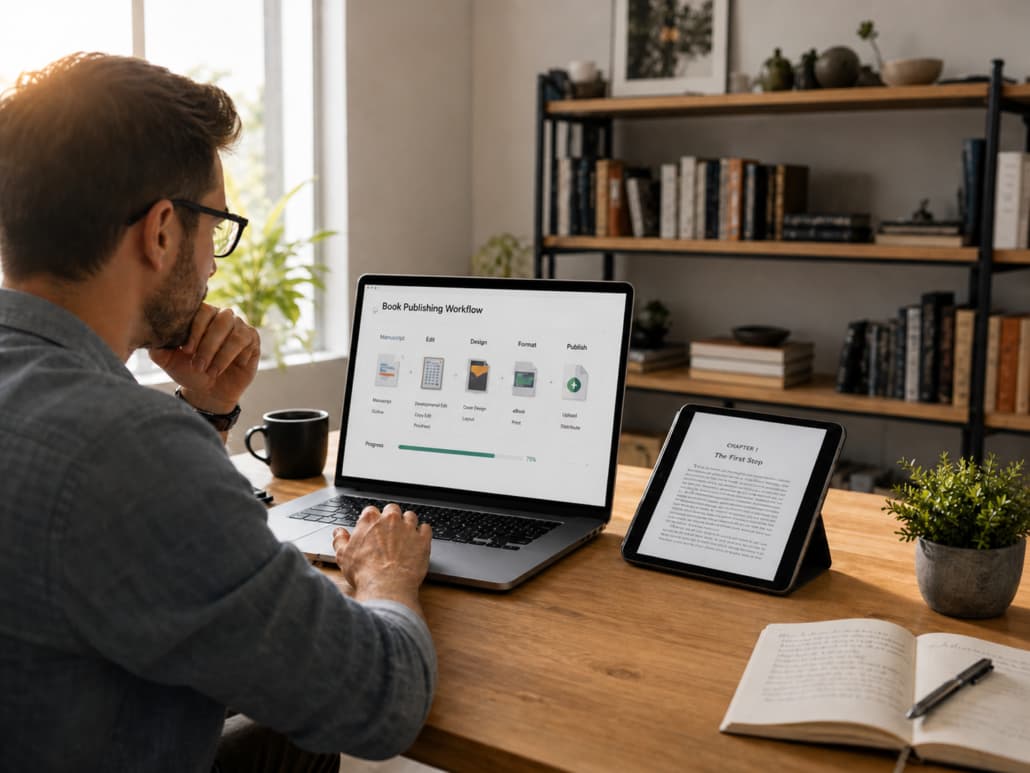
How Technology Is Changing Independent Book Publishing
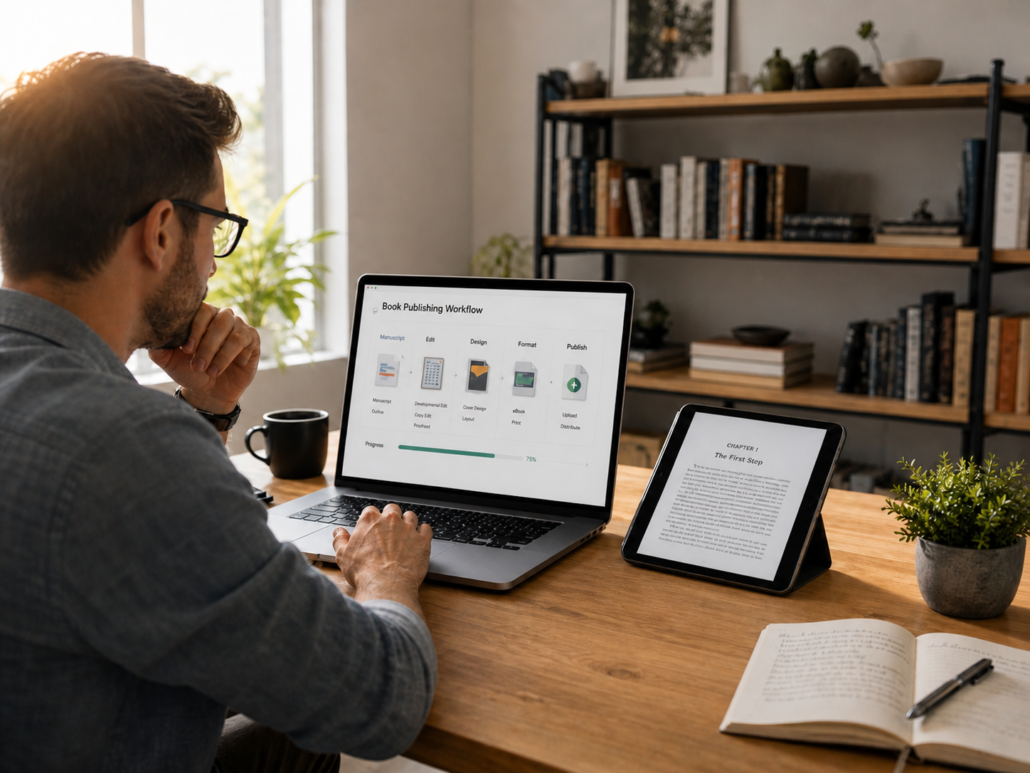
Publishing once felt like a place with a locked front door. An author usually needed an agent, a publisher willing to take the bet, bookstore access, and a long stretch of waiting.
That version of publishing still exists, but it is no longer the only route in. Tech has opened side doors. Some are useful. Some are noisy. A few are easy to walk through and surprisingly hard to survive inside.
Independent publishing now means more than putting a manuscript online. It can involve digital storefronts, reader research, paid ads, freelance editors, AI tools, print-on-demand, and a fair amount of business sense. For authors and small publishers, the opportunity is bigger than before. So is the mess.
Traditional gatekeepers have less control than before
For years, large publishers controlled most of the journey. They decided what reached print, which authors got marketing support, and which books had a real chance of reaching stores.
They still matter. A lot. But they no longer decide everything.
Digital publishing gave authors a way to reach readers without asking for permission first. Research by Hviid, Izquierdo-Sanchez, and Jacques found that digitalization made self-publishing a serious option and lowered many of the old requirements around independent publishing. The same study connects this shift with a larger supply of books in the market. From Publishers to Self-Publishing: Disruptive Effects in the Book Industry
That changes the main question. It used to be, “Can I get someone to publish this?” Now it is closer to, “Can I make something readers want, and can I get it in front of them?”
Digital platforms cut the upfront risk
Ebooks, online marketplaces, and POD services changed the cost problem. A small publisher no longer has to print thousands of copies before knowing whether anyone wants the book.
That is a big deal. Printing in bulk meant paying for inventory, storing it somewhere, shipping it out, and dealing with boxes of unsold books if the launch went badly.
Now a book can live as a digital file until someone orders it. Then it gets printed. The work has not disappeared, but the financial gamble is smaller.
This is why more solo authors and niche publishers can enter the market. They do not need a warehouse. They do not need bookstore relationships on day one. A laptop, a budget, and a decent plan can be enough to start.
Indie publishers are acting more like online business owners
The old image of a publisher usually involved offices, editors, print contracts, and formal distribution. An independent publisher today might be one person working from a kitchen table with spreadsheets open and cover mockups scattered across five tabs.
Many are not just writing. They are researching topics, hiring freelancers, testing book ideas, managing design, formatting files, checking reviews, and running ads. Some love that part. Some clearly do not. Either way, it is now part of the job.
This is where independent publishing starts to feel less like a single creative project and more like a small digital business.
Someone building an Amazon publishing business, for example, is usually thinking beyond one book. The work may include niche research, positioning, cover testing, review strategy, ad spend, and the next title in the pipeline.
Creativity still matters. It just has to share the room with research and marketing.
Book ideas are chosen with more data now
Gut feeling used to carry a lot of weight in publishing. It still does. Personal experience and editorial taste can lead to strong books. But independent publishers now have more signals before they commit to a topic.
They can look at search demand. They can study categories. They can read negative reviews of similar books and spot what readers felt was missing. A bad review on someone else’s book can be weirdly useful. It tells you where the gap is.
That does not mean every book should be designed by spreadsheet. If the research becomes too mechanical, the result often feels thin. Still, data helps reduce blind guessing.
There is a catch. When publishing gets easier, more books appear. Hviid and colleagues point out that a larger book supply creates fresh problems around competition and quality signals. Readers have more choice, but they also have more junk to sort through. From Publishers to Self-Publishing: Disruptive Effects in the Book Industry
So research helps, but it does not carry the whole thing. A book still needs to feel trustworthy. It has to look professional enough that readers will give it a chance.
AI is changing the workflow, not removing the publisher
Can AI produce book text? Yes. That is the obvious part, and honestly not the most interesting one.
The more useful shift is in the workflow. AI can help with brainstorming, rough outlines, research summaries, draft cleanup, product descriptions, email copy, and repetitive admin work. It can speed up the parts of publishing that used to drain hours.
Automation can also help with formatting tasks, keyword tracking, ad organization, and project handoffs. For a small publisher, saving time on those jobs can matter a lot.
But AI does not remove responsibility. Someone still has to check accuracy. Someone has to make the voice sound human. Someone has to decide whether the book is actually useful. Copyright and originality concerns do not vanish because a tool made the draft faster.
A 2025 paper by Salani and Tapfuma describes AI as a force changing the publishing value chain, including content development, marketing, and distribution. The paper also raises concerns around integrity, copyright, and intellectual property. Artificial intelligence transforming the publishing industry
So, no, the future is not simply “AI replaces publishers.” The more realistic version is messier: publishers who use AI carefully may move faster, but they still need judgment.
Discovery is now tied to algorithms
Writing and publishing the book is only part of the work. Getting found is a separate battle.
Readers now discover books through marketplace search, recommendation engines, social feeds, email lists, search engines, and ads. That means metadata matters. So do keywords, categories, reviews, covers, descriptions, and early reader response.
It is not the romantic version of authorship. Nobody grows up dreaming about category optimization. But this is where many sales are won or lost.
A book that does not quickly show who it is for can disappear. There are too many other options one click away.
Social platforms have also changed how writers build an audience. Research on Wattpad by M. R. Bold shows how digital platforms let writers interact with readers and build communities outside traditional publishing structures.
That direct line to readers can be powerful. Authors can test ideas, understand complaints, and see what people actually care about before the next book is finished.
Lower barriers created a crowded market
Tech made publishing easier to enter. It did not make it easy to win.
More books means more competition. A basic upload is rarely enough now. Independent publishers have to think about editing, packaging, positioning, launch timing, and visibility.
This is where a lot of new publishers get surprised. The tools make the process look simple from the outside. Upload the file, choose the category, wait for sales. Then reality arrives.
A strong book needs a clear reader. It needs a title that makes sense. The cover has to fit the market. The description has to sell without sounding desperate. Reviews matter. Ads may matter too, especially in competitive niches.
The tools are available. They do not make the decisions for you.
The next phase belongs to publishers who can use tech well
Independent publishing will probably keep moving toward smaller, sharper publishing models. More niche presses. More AI-assisted workflows. More authors building an audience before release. More publishers using reader data before choosing the next project.
Print is not going away, though. Ebooks did not kill physical books. They became another format in the mix. A review discussing Kindle’s development notes that early predictions about ebooks replacing print have become more nuanced over time. Book Review: The Modem World: A Prehistory of Social Media
That is probably the quieter truth about publishing tech. It does not wipe out the old system in one dramatic sweep. It changes the rules. It gives more people a shot. Then it asks them to compete in a market that is faster and less forgiving than it looks.
Final thoughts
Technology has made independent publishing more open, but also more demanding. Authors and small publishers now have access to platforms, reader data, AI tools, freelancers, and marketing channels that were once harder to reach.
Still, the basics have not disappeared. Readers want useful books. They want quality. They want to feel that someone competent made the thing they just paid for.
The strongest independent publishers will probably be the ones who can write or commission good work, understand the market, and use tech without letting it flatten the book into something generic.